Friday, April 17, 2020

Top 10 Vodka Drinking Countries

Top 10 Vodka Drinking Countries

In recent years, the global vodka consumption has recorded substantial growth. A recent report from the web-based research firm Euromonitor outlined the countries with the highest vodka consumption per capita in the world with the consumption being measured in shots. The report established the top 10 vodka drinking countries which were former members of the USSR topped the list with Russia coming in at first place.

Worldwide, people 15 and older consumed 6.2 liters of alcohol per person in 2010, according to a recent World Health Organization (WHO) report. Alcohol, in turn, contributed to some 3.3 million deaths as of 2012. In some countries, consumption, and the resultant health problems attached to drinking, were worse. In 10 countries residents consumed more than 13 or more liters per person as of 2010. In the heaviest drinking nation, residents consumed 17.5 liters on average. According to Tom Donaldson, president of the National Organization on Fetal Alcohol Syndrome (NOFAS), historical and societal factors explain why certain countries have higher rates of consumption.

“In some of those areas, there are no public health awareness efforts whatsoever about the effects of alcohol consumption,” Donaldson said. Eight of the nations with the highest consumption did not have public policy initiatives to address the effects of alcohol consumption on the general public. Residents in these countries were also often among the most likely to suffer from alcohol use disorders. These include alcoholism and other forms of health-damaging use of alcohol. Such disorders lead to physical problems such as liver cirrhosis and mental illnesses such as depression. A number of serious diseases are largely caused by alcohol. Of the 3.3 million alcohol-related deaths world-wide, a third were caused by cardiovascular diseases and diabetes. Half of all deaths due to liver cirrhosis are attributable to alcohol. Similarly, more than one quarter of all cases of pancreatitis and various types of mouth cancer are attributable to alcohol use.

From 24/7 Wall St., based on figures from the WHO, these are the heaviest drinking countries in the world:

Top 10 Vodka Drinking Countries

10. Slovakia

Alcohol per capita consumption: 13.0 liters (tied, 9th highest)
Percent binge drinking: 26.2% (16th highest)
Percent of deaths, alcohol-related: 7.7% (14th highest)
Life expectancy at birth: 76.1 years

Nearly 8% of deaths in Slovakia were alcohol related in 2012, one of the highest proportions among countries reviewed. By contrast, just 3.2% of deaths in the U.S. were alcohol related. In general, residents had bad drinking habits. More than 10% of people 15 years and older in the country had alcohol use disorders, including alcohol dependency. The rate for men was considerably higher, at 19.1%. Residents prefer spirits — which include distilled beverages such as vodka — considerably more than other forms of alcohol such as beer or wine. According to the WHO, Slovakia has also had issues with the use of alcohol not intended for human consumption, such as alcohol that is used for industrial purposes.

9. Czech Republic

Alcohol per capita consumption: 13.0 liters
Percent binge drinking: 36.5% (3rd highest)
Percent of deaths, alcohol-related: 5.8% (33rd highest)
Life expectancy at birth: 78.1 years

Only Austria and Lithuania had a higher percentage of binge drinkers than the Czech Republic. Czech males took the top spot in binge drinking, and Czech females drank among the most alcohol per capita out of the countries reviewed. According to WHO data, Czechs prefer to drink beer over any other alcoholic beverage. One factor that could contribute to the country’s heavy alcohol consumption is its lax alcohol policies. The Czech Republic does not have any systems in place to monitor the health or social consequences of alcohol consumption, nor does the government regulate the sale of alcohol.

At left, a street musician plays wine glasses on the Charles Bridge in Prague.

8. Hungary

Alcohol per capita consumption: 13.3 liters
Percent binge drinking: 25.4% (17th highest)
Percent of deaths, alcohol-related: 6.7% (22nd highest)
Life expectancy at birth: 75.1 years

Hungarians consumed an average of 13.3 liters of alcohol per person in 2010, less than just seven nations. No country had a higher rate of alcohol use disorders than Hungary, where 19.3% of the population abused alcohol in some form. As many as 32.2% of Hungarian men and 6.8% of women suffered from alcohol use disorders, the highest among countries reviewed. The country is also cited by the WHO as lacking key notifications on beverage containers, including labels for alcohol content.

At left, a man sleeps in front of a bank in Budapest.

7. Andorra

Alcohol per capita consumption: 13.8 liters
Percent binge drinking: 4.2% (69th lowest)
Percent of deaths, alcohol-related: 3.9% (77th highest)
Life expectancy at birth: n/a

Unlike many countries with high levels of alcohol consumption, Andorra’s economy is fairly prosperous. The small principality, located between France and Spain in the Pyrenees mountains, has an exceptionally strong tourism industry, which accounts for the majority of the country’s GDP. Illegal alcohol production was less common in Andorra than in many other heavy drinking nations, accounting for just 1.4 liters of per capita consumption. This may mean demand for alcohol is readily met through legal channels. Andorra’s population consumed 12.4 liters per capita on average when only legitimate purchases were measured, higher than all but two other countries. Most Andorrans prefer wine over other alcoholic beverages. Country residents were also considerably less likely to binge drink — just 4.2% of residents 15 and older engaged in binge drinking in the previous 30 days.

6. Ukraine

Alcohol per capita consumption: 13.9 liters
Percent binge drinking: 23.2% (24th highest)
Percent of deaths, alcohol-related: 34.4% (2nd highest)
Life expectancy at birth: 70.9 years

In addition to its current political turmoil, Ukraine has struggled with the effects of heavy alcohol consumption for some time. Only Belarus had a higher percentage of alcohol-related deaths than Ukraine. Spirits were the drink of choice in the country, accounting for nearly half of the alcoholic beverages consumed. Additionally, only people in the Republic of Moldova consumed more illegal alcoholic beverages per capita than in Ukraine. The country also had high percentages of both males and females 15 years of age and older who engaged in binge drinking.

5. Romania

Alcohol per capita consumption: 14.4 liters
Percent binge drinking: 7.9% (75th highest)
Percent of deaths, alcohol-related: 8.9% (11th highest)
Life expectancy at birth: 68.7 years

Drinking rates among younger Romanians were particularly high. More than 37% of teenagers between 15 and 19 years old had engaged in binge drinking in the past 30 days, more than in all but a handful of countries. As is usually the case, alcohol consumption was more of an issue among males — more than 55% of Romanian men ages 15 to 19 said they had engaged in binge drinking in the previous 30 days, considerably higher than most other countries. Binge drinking may be associated with alcohol related fatalities in the county. Nearly 9% of all deaths in 2012 were alcohol related, more than in all but a handful of nations.

4. Russian Federation

Alcohol per capita consumption: 15.1 liters
Percent binge drinking: 19.3% (32nd highest)
Percent of deaths, alcohol-related: 30.5% (5th highest)
Life expectancy at birth: 70.5 years

Russians drank 15.1 liters of alcohol per capita in 2010, among the highest averages in the world. And annual consumption is expected to remain high in the future, staying roughly around 15 liters per capita through 2025. With 18.2% of residents suffering from alcohol use disorders, more than any country except Hungary, alcohol abuse had adverse health effects for the Russian population. As of 2012, 30.5% of all deaths in Russia were related to alcohol consumption, among the highest rates in the world. A recent study in the acclaimed British medical journal, The Lancet, noted that “Russian adults have extraordinarily high rates of premature death” and that high levels of vodka consumption contributed to higher risks of early death in the country.

At left, former Soviet servicemen drink a toast during events to mark Victory Day in Stavropol May 9, 2014.

3. Lithuania

Alcohol per capita consumption: 15.4 liters
Percent binge drinking: 36.7% (2nd highest)
Percent of deaths, alcohol-related: 30.9% (4th highest)
Life expectancy at birth: 73.9 years

Lithuania was second only to Austria in terms of the percentage of drinkers who engaged in binge-drinking. In fact, nearly one-quarter of the women in the country engaged in binge drinking, more than women in any other country. More than 30% of deaths in Lithuania were related to alcohol consumption in 2012, a higher percentage than all but three other countries reviewed. Nearly 10% of the country’s population suffered from an alcohol use disorder, among the highest out of all nations reviewed. Although Lithuania does monitor alcohol consumption and measures its social and health consequences, drinking is still a national problem. In March, Lithuania’s prime minister announced that his office is working with the country’s liquor industry to draft a new excise tax on alcohol as a way to fight alcoholism and help decrease the amount of alcohol sold illegally.

2. Republic of Moldova

Alcohol per capita consumption: 16.8 liters
Percent binge drinking: 32.2% (8th highest)
Percent of deaths, alcohol-related: 33.1% (3rd highest)
Life expectancy at birth: 81.4 years

The Republic of Moldova’s economy is relatively underdeveloped, with GDP at just $3,562 per capita in 2013. A sluggish economy and high poverty rates — 16.6% in 2012, the highest rate in Europe — may make it more difficult for residents to acquire alcohol through legitimate channels. Moldova was among the only countries where illicit alcohol consumption exceeded government sanctioned alcohol consumption, with the population consuming 10.5 liters per capita on average of illegal alcohol. Roughly one third of all deaths in Moldova could be linked to alcohol, more than in all but two other countries. Moldova’s consumption of alcohol trailed only Belarus in the WHO’s most recent study. Consumption rates, however, are projected to reach 17.4% by 2015, ahead of the prediction for Belarus. While increases in consumption rates are expected to continue well past 2015, the country adopted the National Programme of Alcohol Control in 2012 to reduce harmful alcohol use.

At left, a wine fountain outside the Mileștii Mici winery in Moldova.

1. Belarus

Alcohol per capita consumption: 17.5 liters
Percent binge drinking: 26.5% (14th highest)
Percent of deaths, alcohol-related: 34.7% (the highest)
Life expectancy at birth: 72.1 years

Belarus had the world’s highest level of alcohol consumption, with 17.5 liters of alcohol consumed per capita. The country’s high level of consumption has had serious health consequences on its residents. Belarus trailed just two other countries, Russia and Hungary, with 17.5% of the population suffering from an alcohol use disorder. In all, alcohol was a factor in nearly 35% of all deaths in the country, the most out of any nation in the world. Belarus has publicly and aggressively cracked down on production of bootleg alcohol. Alcohol produced illegally accounted for 3.2 liters of per capita consumption on average, among the highest levels in the world. Despite a low unemployment rate, Belarus’ economy is heavily state-controlled and often considered inefficient. The country has suffered from extraordinarily high inflation for years as well. At left, Belarusian fishermen drink Vodka to warm-up as they fish on lake Minskoe outside the capital.

The post Top 10 Vodka Drinking Countries appeared first on Gradaxis.


source https://gradaxis.com/top-10-vodka-drinking-countries/

from Dr. Linex https://ift.tt/3eyPrzl
via IFTTT

Country With The Most Nobel Prize Winners

Country With The Most Nobel Prize Winners

United States has the most noble prize winners with 368 followed by the UK with 132 and Germany with 107.

The Novel Prize is one of the highest honors that a person can receive in his or her lifetime. These awards are given to people around the world in recognition of outstanding contributions for humanity in areas including literature, physiology, , peace, physics, chemistry, and economic sciences. These international awards are given out every year. The awards are named after Alfred Nobel, a Swedish engineer, inventor, and chemist.

Nomination forms are sent out each year to approximately 3,000 academics. The form specific to the Novel Peace Prize is sent to governments, members of the Norwegian Novel Committee, and former Peace Prize laureates. Once all submissions have been received by January 31, the Novel Committee nominates 300 potential winners. After the potential laureates are selected, a report is prepared by the Nobel Committee. This report is given to the institutions that award each prize. The institutions then select up to three laureates and two different works per award by majority vote.

This is a list of Nobel Prize laureates by country. Listings for Economics refer to the related Nobel Memorial Prize in Economic Sciences. The Nobel Prizes and the Prize in Economic Sciences have been awarded 567 times to 889 recipients, of which 25 awards (all Peace Prizes) were to organizations. Due to some recipients receiving multiple awards, the total number of recipients is 860 individuals and 22 organizations.

The present list ranks laureates under the country/countries that are stated by the Nobel Prize committee on its website. The list does not distinguish between laureates who received a full prize and the majority who shared a prize. Some laureates are listed under more than one country, because the official website mentions multiple countries in relation to the laureate. In this case, the birth country is mentioned in italics at the other listings of this laureate.

As of 2019, winners of the Nobel Prize receive a medal, a diploma, and prize money totaling over $900,000 U.S. dollars.

Currently, the United States has won the highest number of Nobel Prizes with 375 as of May 2019. Two people, John Bardeen and Linus C. Pauling, have won two prizes each.

The nation with the next highest number of Nobel Prizes is the United Kingdom with 130. Frederick Sanger from the U.K. won the prize twice for chemistry.

Germany has won the next highest number of prizes with 108 and is the last country with over 100 Nobel laureates.

All Country With The Most Nobel Prize Winners, in order of number received, are:

Country With The Most Nobel Prize Winners

Rank Country Nobel Laureates
1 United States 383
2 United Kingdom 132
3 Germany 108
4 France 68
5 Sweden 32
6 Russia/ Soviet Union 31
7 Switzerland 28
8 Japan 28
9 Canada 27
10 Austria 22
11 Netherlands 21
12 Italy 20
13 Poland 19
14 Denmark 13
15 Hungary 13
16 Norway 13
17 India 12
18 Australia 12
19 Israel 12
20 Belgium 11
21 Ireland 11
22 South Africa 10
23 Spain 8
24 Czech Republic 6
25 Ukraine 6
26 China 6
27 Argentina 5
28 Finland 5
29 Egypt 4
30 Romania 4
31 Croatia 3
32 Lithuania 3
33 Mexico 3
34 New Zealand 3
35 Algeria 2
36 Bangladesh 2
37 Belarus 2
38 Bosnia and Herzegovina 2
39 Chile 2
40 Colombia 2
41 East Timor 2
42 Greece 2
43 Guatemala 2
44 Liberia 2
45 Luxembourg 2
46 Pakistan 2
47 Portugal 2
48 Saint Lucia 2
49 Taiwan 2
50 Turkey 2
51 Azerbaijan 1
52 Brazil 1
53 Bulgaria 1
54 Democratic Republic of the Congo 1
55 Costa Rica 1
56 Cyprus 1
57 Ethiopia 1
58 Faroe Islands 1
59 Ghana 1
60 Hong Kong 1
61 Iceland 1
62 Iraq 1
63 Iran 1
64 Kenya 1
65 Latvia 1
66 North Macedonia 1
67 Morocco 1
68 Myanmar 1
69 Nigeria 1
70 Palestine 1
71 Peru 1
72 Slovenia 1
73 Korea, South 1
74 Tibet 1
75 Trinidad and Tobago 1
76 Tunisia 1
77 Venezuela 1
78 Vietnam 1
79 Yemen 1

The post Country With The Most Nobel Prize Winners appeared first on Gradaxis.


source https://gradaxis.com/country-with-the-most-nobel-prize-winners/

from Dr. Linex https://ift.tt/2RJUa7O
via IFTTT

Thursday, April 16, 2020

15 Ways A Desert Can Kill You

Ways A Desert Can Kill You
Nature comes in many avatars, each with its unique beauty. With their breathtaking sunrises, spectacular sunsets and black starry nights, deserts are some of the most beautiful environments in the world. They are also home to a multitude of exotic plants and animals. The peace and tranquility of the desert wilderness make them attractive travel destinations. However, looks can be deceiving and there are dangers lurking beyond the horizon. Ways A Desert Can Kill You, Here are 10 facts about the desert that will help save your life.
1. A poisonous snake could bite you, and you could die.
2. You could prick your finger on a previously undiscovered poisonous cactus.
3. The cactus isn’t poisonous, and neither is the snake, but the snake’s venom is a powerful anti-coagulant. You could bleed to death from the place you were bitten and/or pricked.
My mother says that English gardens don’t belong in New Mexico. Whenever we drive into town for supplies she throws dirty looks at all the houses with grass and flowers and automatic sprinklers. She spends a lot of time working on her rock gardens and moisture collection systems. “Cacti are just as beautiful as lawns,” she tells me each time we buy another one. The English gardens remind me of home, even though home is Baltimore, not England. The sun is more intense here. Mom says it’s a dry heat, but it just feels hot to me.
4. You could wander into a deserted town, but it turns out to be a nuclear testing facility. I saw that one in a movie.
5. There is an entrance to an old mine shaft hidden under the sand, and you could fall through the hole and break your neck and die.
6. You could survive the fall into the mineshaft, but then the ghost of a forty-niner kills you with a pickax.
We left Baltimore five weeks ago. Mom came home early from her job at the space telescope. She said, “Pack your summer clothes and your five favorite things, Allie. We’re leaving on an adventure.” If I had known her idea of an adventure I might have packed better. I would have said goodbye to my friends.
7. You could see a lake, but it is only a mirage. You drink it, thinking the sand is water, and you choke on the sand and die.
To be fair, she didn’t bring more than five things either. She brought: a picture of the three of us when Dad was still alive; a book called Living Off the Grid; her biggest home telescope; and probably a couple of things I haven’t seen, since that’s only three. I assume she’s not counting stuff like sheets and pots and pans and her gardening hat.
I brought: my favorite stuffed animal, Charley the Sea Lion; my photo album; my eReader and my iPod (the only electronic things Mom let me take) and a solar charger for both, which didn’t count as a separate thing; and the cat, Gandalf the Gray.
We fought about Gandy. She said we should just ask the neighbors to watch him while we were gone. I said favorites are favorites, and she had already vetoed my laptop and my DS. She said cats aren’t things. I said no, but cat carriers are, and she would feel guilty if I took an empty cat carrier as one of my favorite things. I am so glad I fought for Gandy, now that I know where we were headed. I don’t know why I thought to bring him when I didn’t know we’d be gone for a long time. Maybe that’s what happens when you have to narrow your life down to five favorite things. Does it get easier or harder when you’re as old as Mom? She’s lived long enough to find more favorite things, but also had more time to figure out which ones are more important than others. I wonder if I’m one of her five things.
If I had known how long we would be gone, I would have pushed her on a couple of other things. Instead of just bringing the electronic books, I would have argued that a home library is a single thing. I think she would have gone for that. This notebook was a secret sixth thing, smuggled in my clothing. If Mom noticed, she didn’t say anything.
8. One word: Roswell. This applies if you are an alien, but possibly also if you saw an alien land.
9. The canyon you are walking in could be overtaken by a flash flood, and you drown.
10. You could step on a fire ant hill, and they swarm your legs and your body and your arms, and you die.
If I had siblings maybe this wouldn’t be so difficult. Maybe I wouldn’t mind that there are no other kids around, or that I’m not allowed off our property on my own. We have to drive everywhere, which means we never get to go anywhere I want. Mom says gas is too expensive to waste on frivolous trips. “This whole move was a frivolous trip,” I told her last week. She made me go to my room, but my room is right next to hers, so I heard her crying a little while later.
If I had siblings maybe I wouldn’t mind that everything outside the front door burns, bites, stabs, or stings. We would play board games. We could pool our allowances to buy a television even though Mom doesn’t want us to have one. We could buy a tablet or a game console or a computer with satellite Internet access.
“What’s wrong with reading?” Mom would ask us, just like she asks me now.
“Nothing,” my sassy older sister would say. “We love reading. But we could use some new books. Ones we haven’t read a thousand times. We just want a little something to break up the evening. You know, since we don’t have any other friends here.”
I don’t know who would win the argument. Some days I imagine it going one way, some days the other. If I had an older sister she would take some of the pressure off me, so I wouldn’t feel like such a jerk every time I ask for something. I don’t think I’m being unreasonable. I really don’t.
11. You could wander for years, eating only cactus and the occasional jackrabbit. The rabbit tends to be old and gamey since you can only catch the slow ones. You starve in increments, but you die.
12. You could die of exposure; your fair skin is not cut out for the unrelenting, gradual poison of the sun.
13. You could find a real oasis and you are so thirsty you just keep drinking water. You drink too much, like that woman who tried to win a radio contest for a game console, and then you die. That may be irony, to die of drinking too much water in the desert.
14. You could find a shack that turns out to belong to a deranged serial killer who had purposefully removed himself from society. Now that you are there, he can’t help himself.

The post 15 Ways A Desert Can Kill You appeared first on Gradaxis.


source https://gradaxis.com/ways-a-desert-can-kill-you/

from Dr. Linex https://ift.tt/2VC5yU2
via IFTTT

Unusual Plant Pollinators From The Animal Kingdom

Unusual Plant Pollinators From The Animal Kingdom

Animal pollinators play a crucial role in flowering plant reproduction and in the production of most fruits and vegetables. Unusual Plant Pollinators, most plants require the assistance of pollinators to produce seeds and fruit. About 80% of all flowering plants and over three-quarters of the staple crop plants that feed humankind rely on animal pollinators.

Pollinators visit flowers in search of food, mates, shelter and nest-building materials. The energy that powers pollinator growth, metamorphosis, flight and reproduction comes from sugars in nectar, and the proteins, fats, vitamins and minerals from pollen grains.

The secret bond of the partnership is that neither plant nor pollinator populations can exist in isolation – should one disappear, the other is one generation away from disaster.

Learn more about these very important pollinators and the flowers they visit:

Elephants


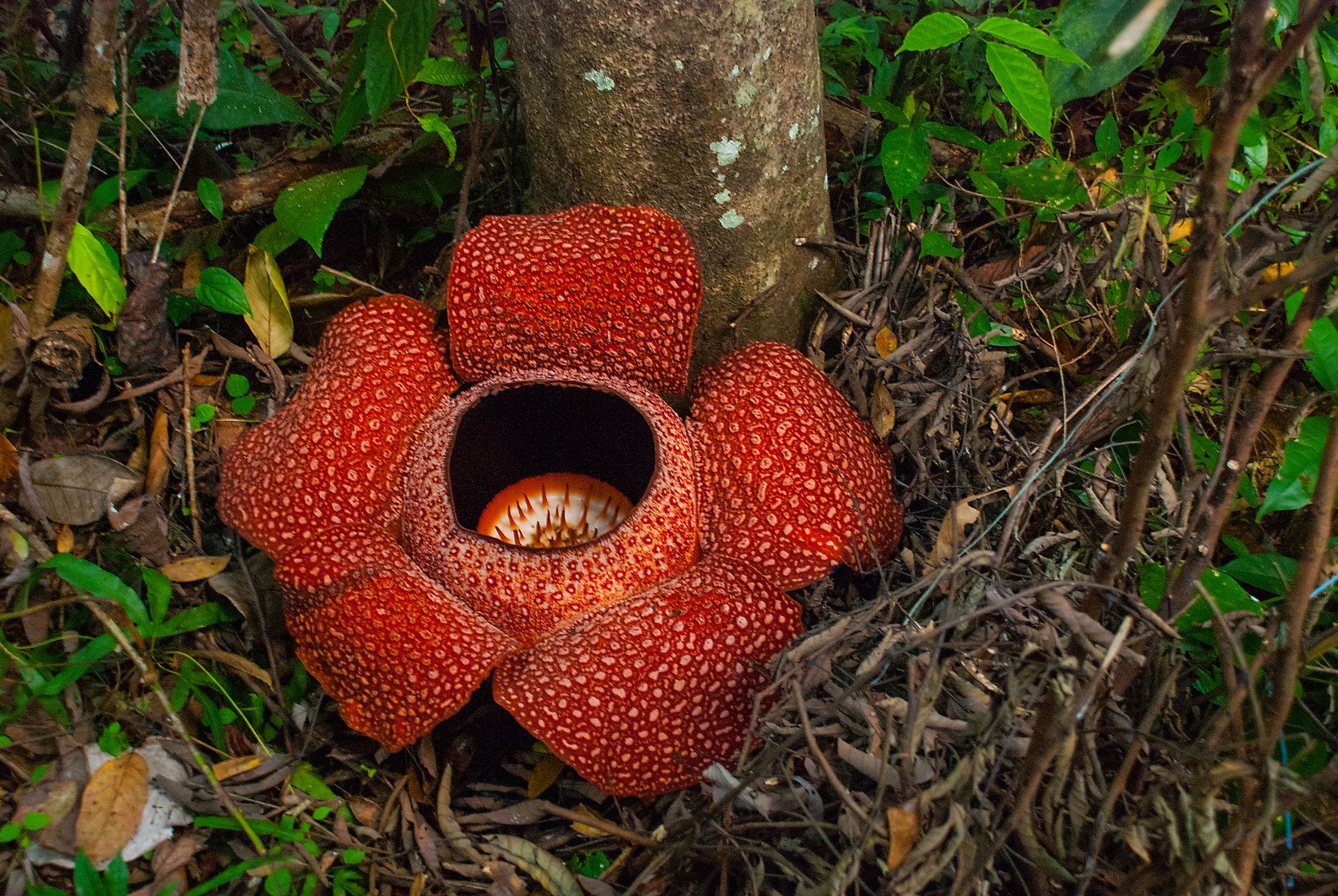
As one of the world’s largest flowers, it’s not surprising the Rafflesia plant also has the largest animal pollinator, elephants! These ground level flowers are unique in many ways, including their parasitic attachment to other plants and a rancid smell which has gained it the nickname “corpse plant”. As elephants migrate through the rainforests of Indonesia the large pollen grains of the Rafflesia attach themselves to their feet, spreading out in a process called Elephophily, meaning pollination via elephants.

Lemurs


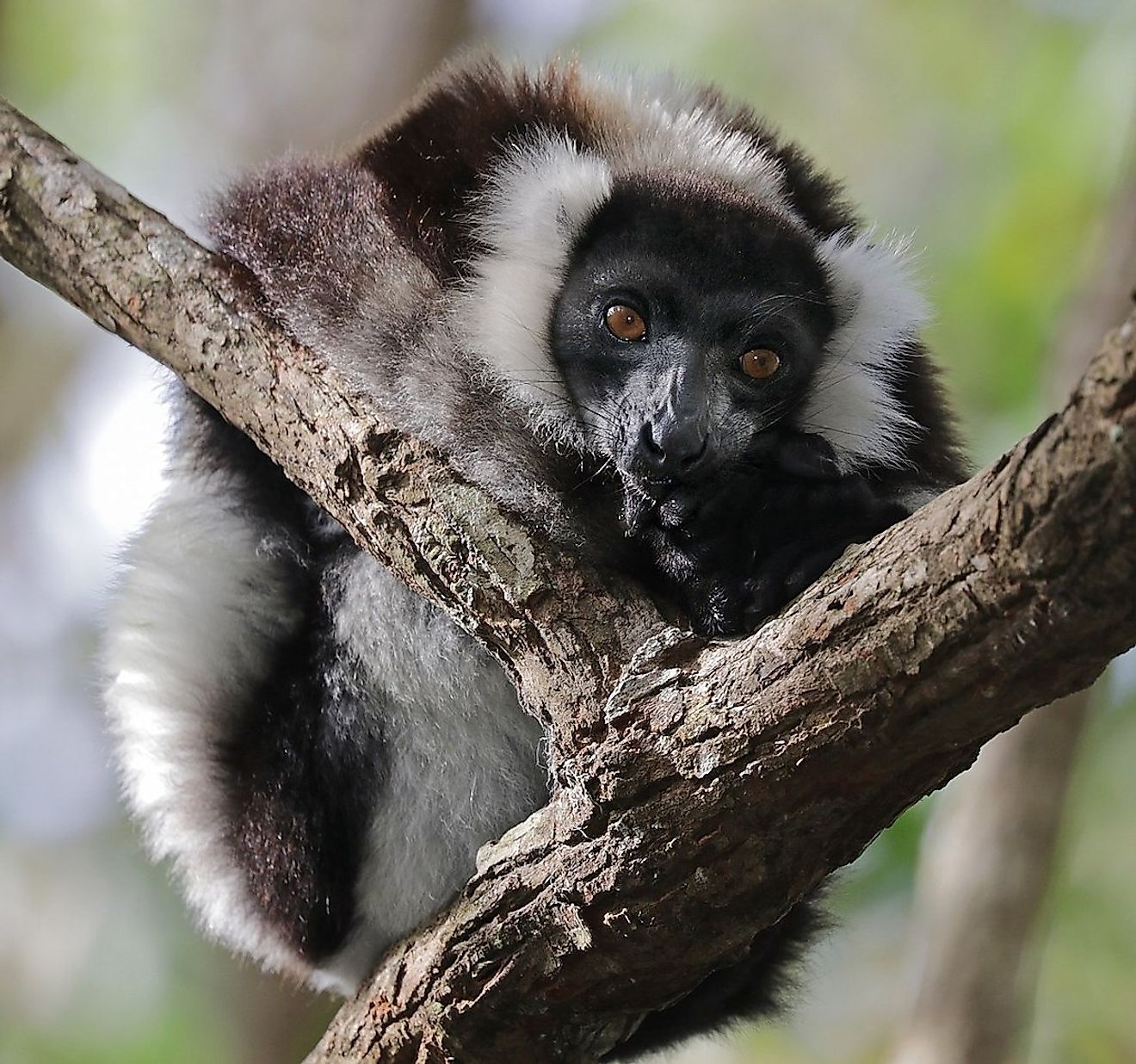
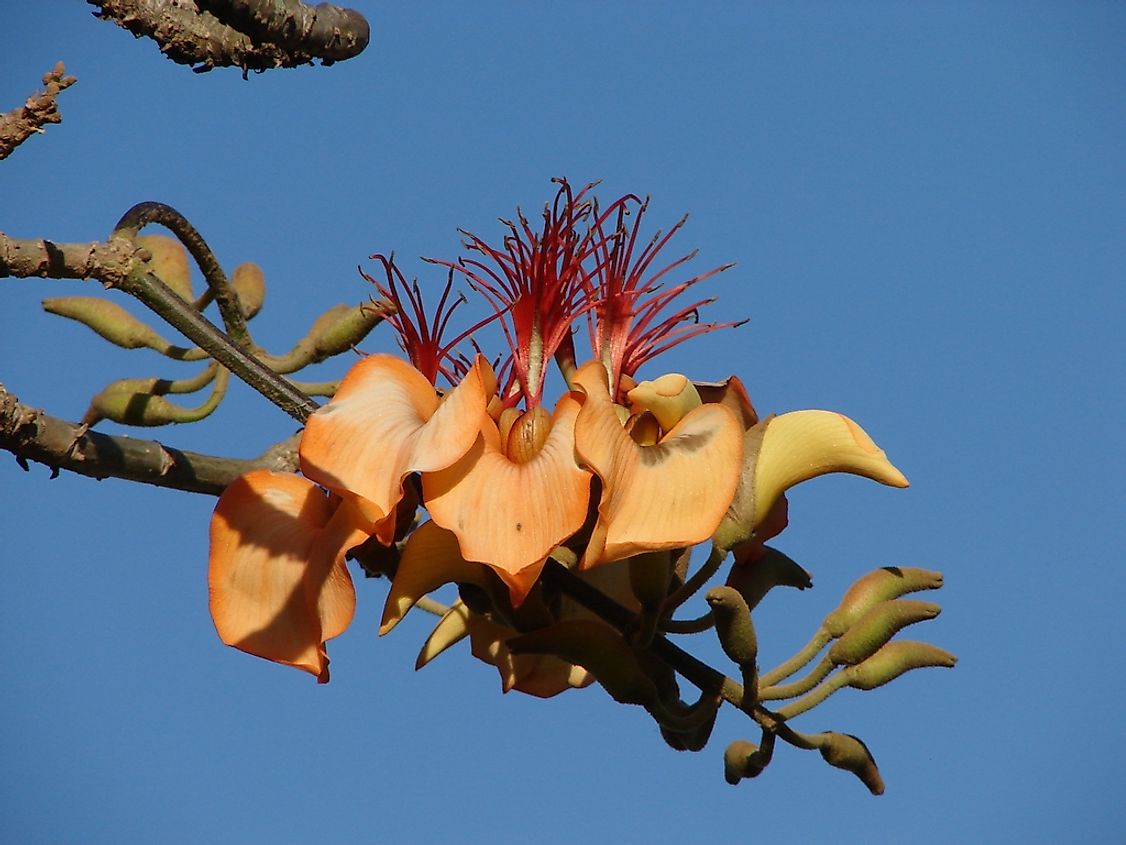
Madagascar is home to a wondrous variety of unique plants and animals, including lemurs and the Traveler’s Palm tree. Not surprisingly, these two share a symbiotic relationship in the island’s forest.  Both the Black-and-white ruffed lemur (Varecia variegata) and the Black lemur (Eulemur macaco) enjoy a snack of nectar by tearing open the tough flowers of the Traveler’s Palm and dipping their snouts and long tongues in for a sweet treat. Pollen collects on their muzzle, fur, and forearms and is transferred from tree to tree, making the lemur the main pollinator of this plant.

Honey Possum


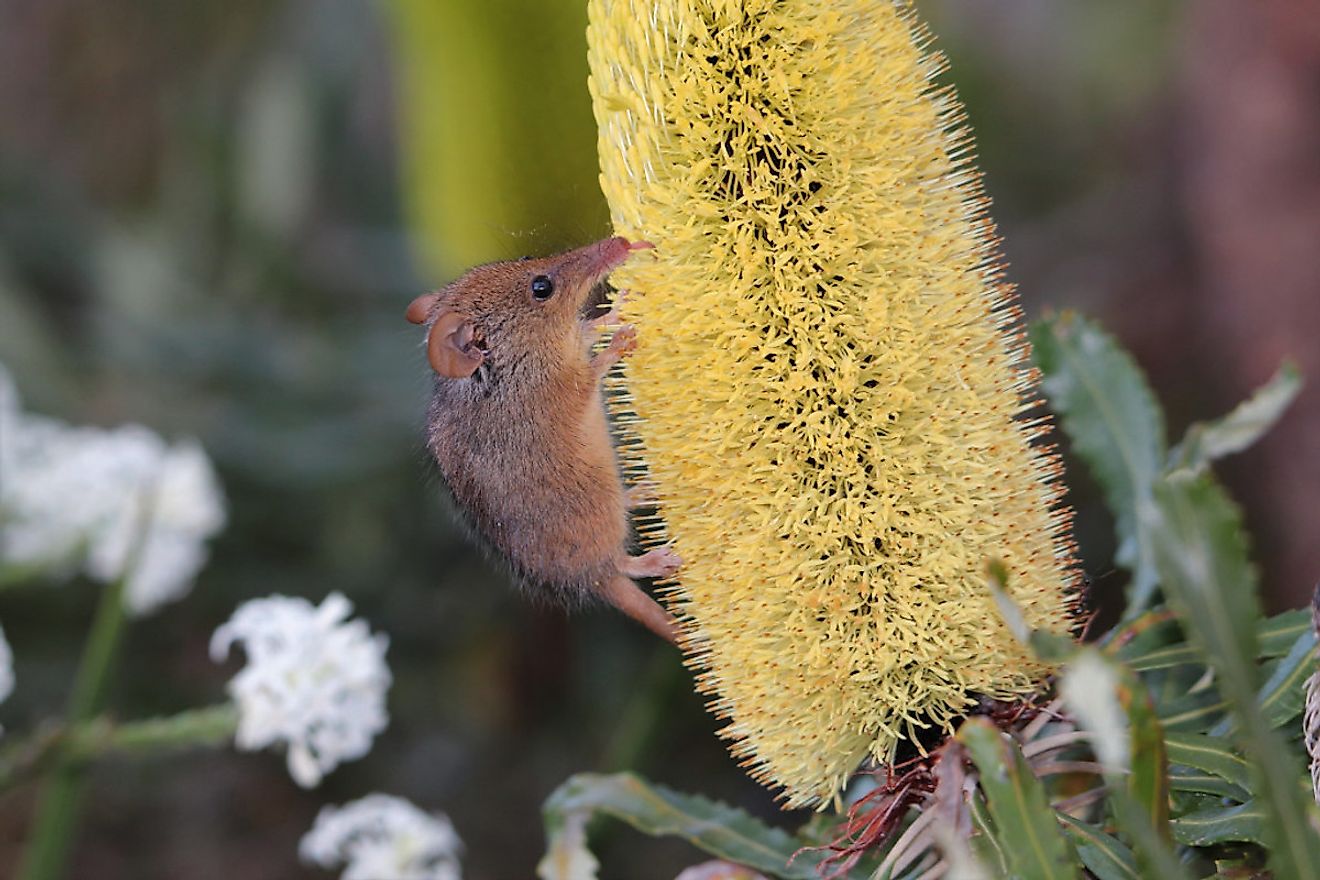
Similar to the lemur, Australia’s honey possums have a synergistic coexistence with the banksia and eucalyptus trees. This tiny marsupial doesn’t actually eat honey, instead it uses its prehensile feet and tail to grasp and dangle from tree limbs as it sips flower nectar using its long long tongue. With its tail, limbs, and pointed snout dusted with pollen, the honey possum pollinates as it swings and hangs from branch to branch.

Geckos


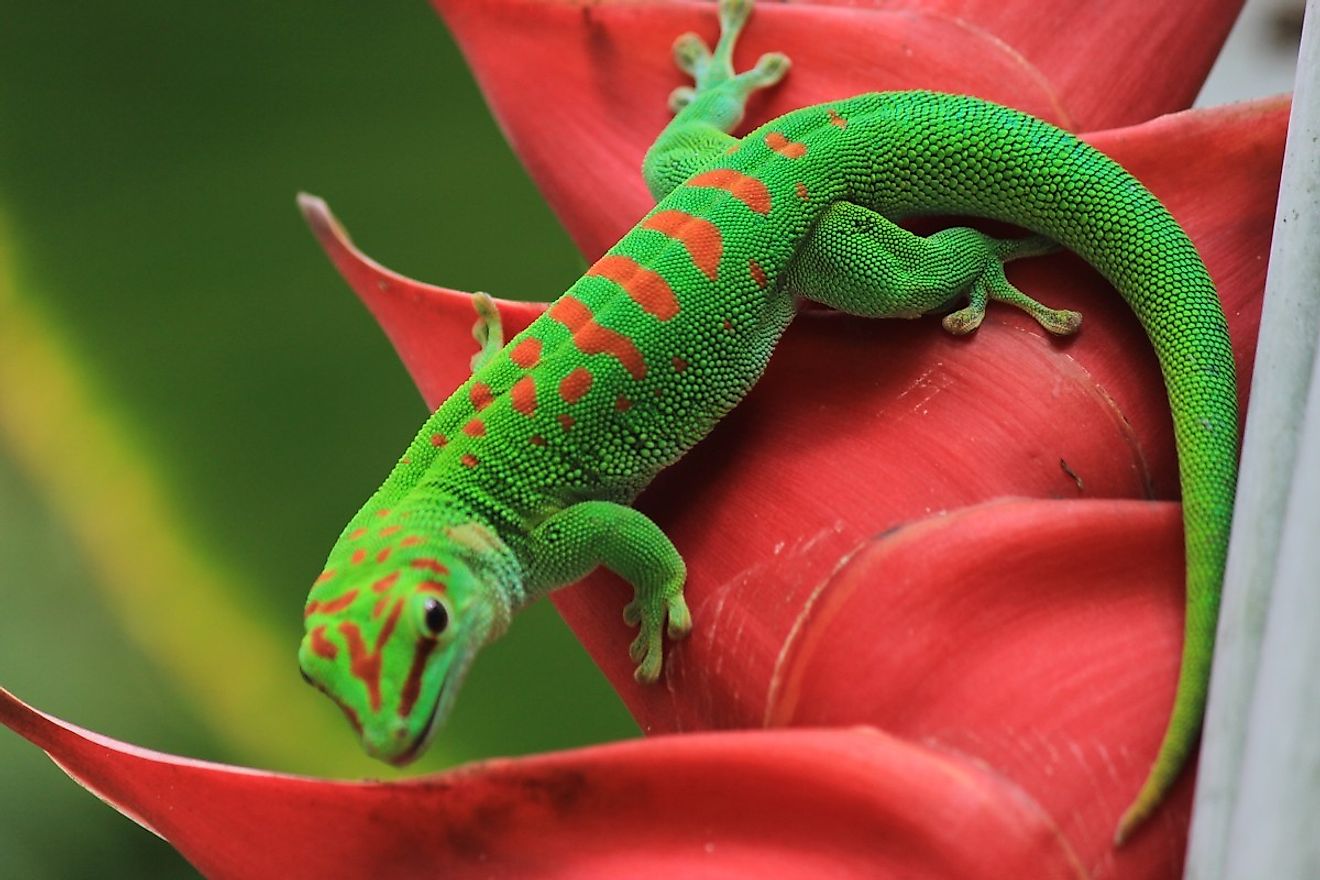
In neighboring New Zealand, numerous scientific studies have been conducted on the ways in which geckos pollinate the island nation’s many varieties of wild flowers. Without the fur of other animal pollinators scientists wanted to know how these tiny lizards distribute pollen as they stop to sip the nectar. Experiments revealed that the sticky sap from trees and syrupy liquid emitted from aphids clings to the geckos bodies, trapping tiny bits of pollen with it. As the geckos forage, they rub their bodies up against neighboring plants resulting in pollination.

Bushbabies


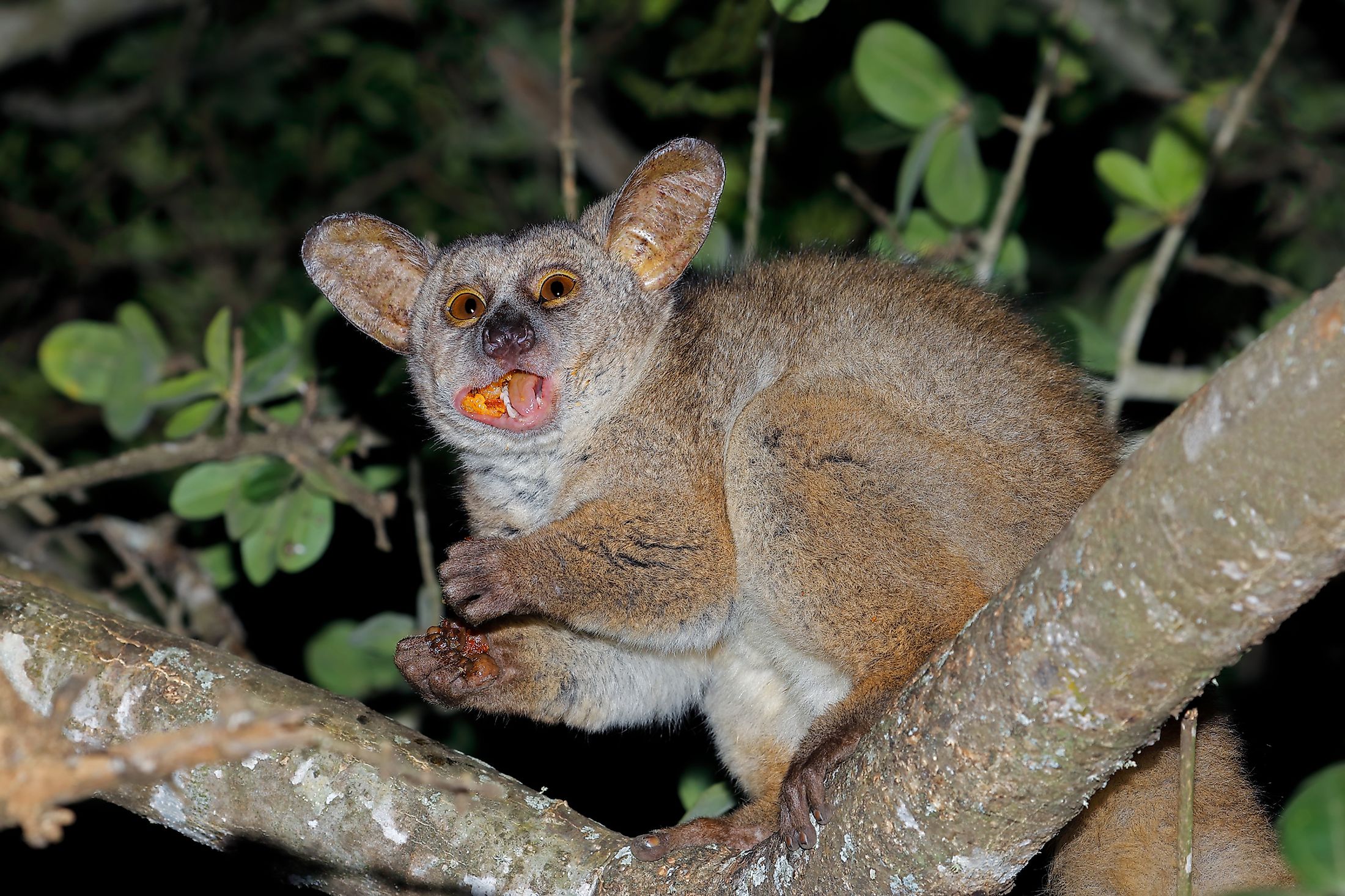
These adorable pollinating primates, also called galagos, are native to sub-saharan Africa. Better known for their wide eyes and wailing, baby-like cry, bushbabies are essential to the pollination of the Baobab Tree. With its white and yellow flowers and sweet scent, the Baobab tree produces fruit containing many nutrients that benefit bushbabies and humans alike. In addition to eating the ripe fruit, bushbabies enjoy a sweet snack of syrupy nectar when the tree is in flower. In this way, bushbabies spread both seeds and pollen through their consumption of the plant.

Sugar Gliders


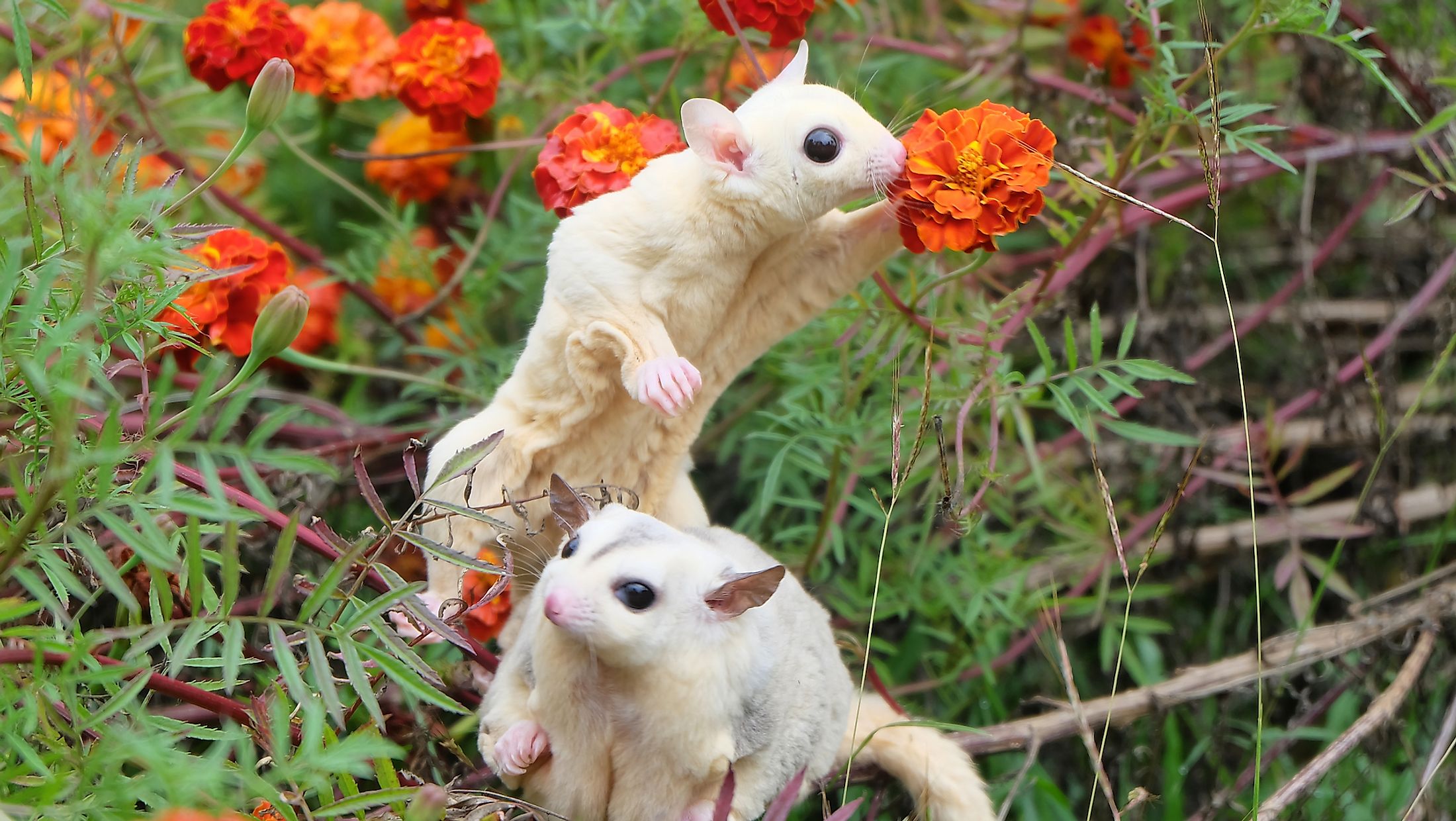
Another pint-sized pollinating possum, sugar gliders spread the membrane between their arms and legs to sail over 150 feet through the air. This gliding ability makes it possible to cover huge swaths of forest in search of food, and to spread pollen widely. Like the honey possum, sugar gliders enjoy eating pollen and drinking nectar from a variety of plants, spreading remnants of their meals that cling to their furry bodies and snouts.

Skinks


Like their lizard cousins in New Zealand, the Noronha skinks of Brazil are unlikely partners in pollination. During the dry season the mulungu tree blooms, and the small skinks slip inside the flower to sip out the nectar to hydrate. Pollen adheres to the scales of their body, and spreads as the skinks move from flower to flower in search of something refreshing to drink during the drought.

Ladybugs


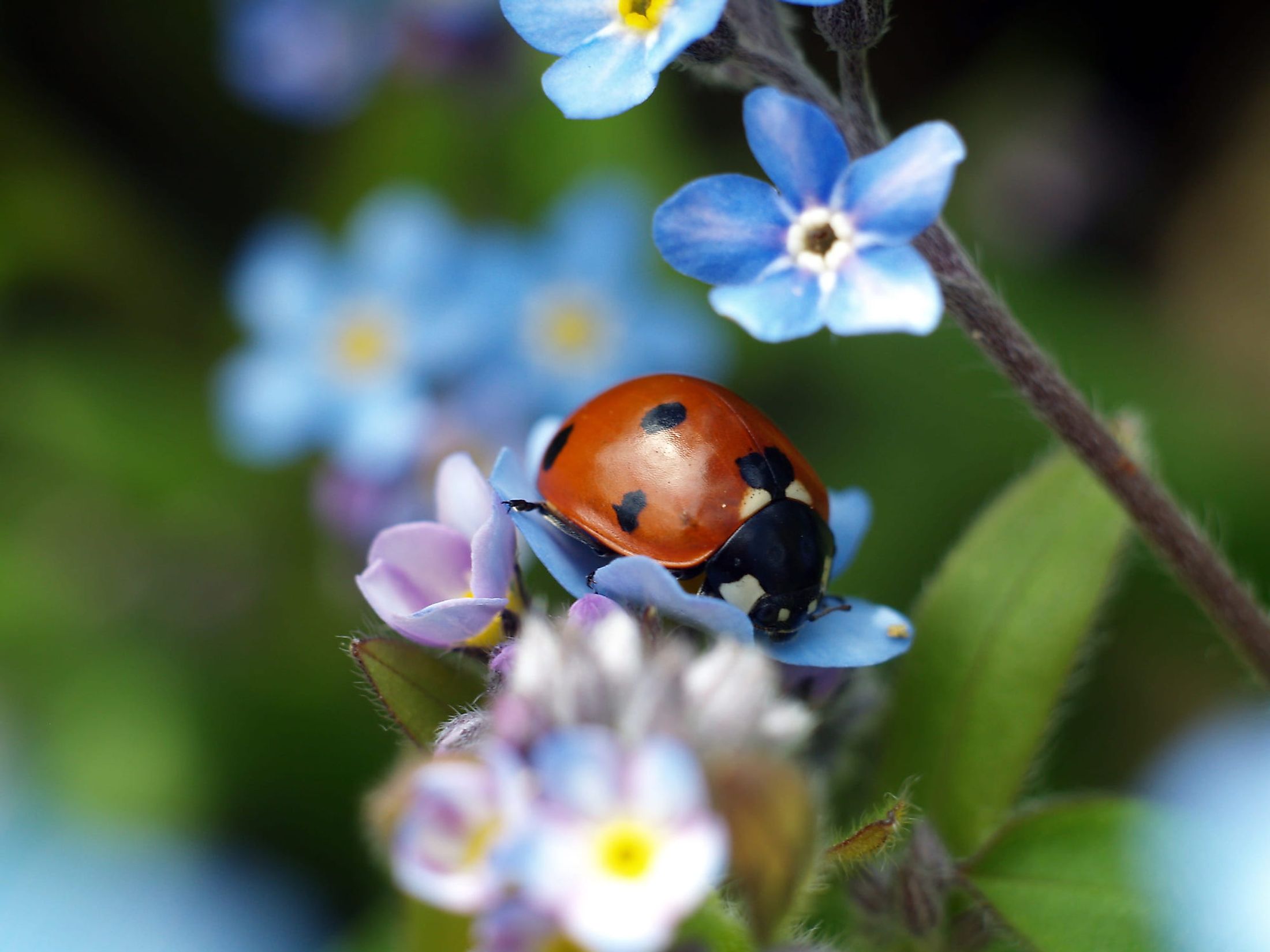
In Austria ladybugs are thought to be lucky charms, bringers of good luck and prosperity. These beauteous beetles certainly bring both to the plant world. In addition to being the natural enemy to plant destroying aphids, ladybugs are prodigious pollinators as they land from one wide opening flower to the next in gardens worldwide.

Bats


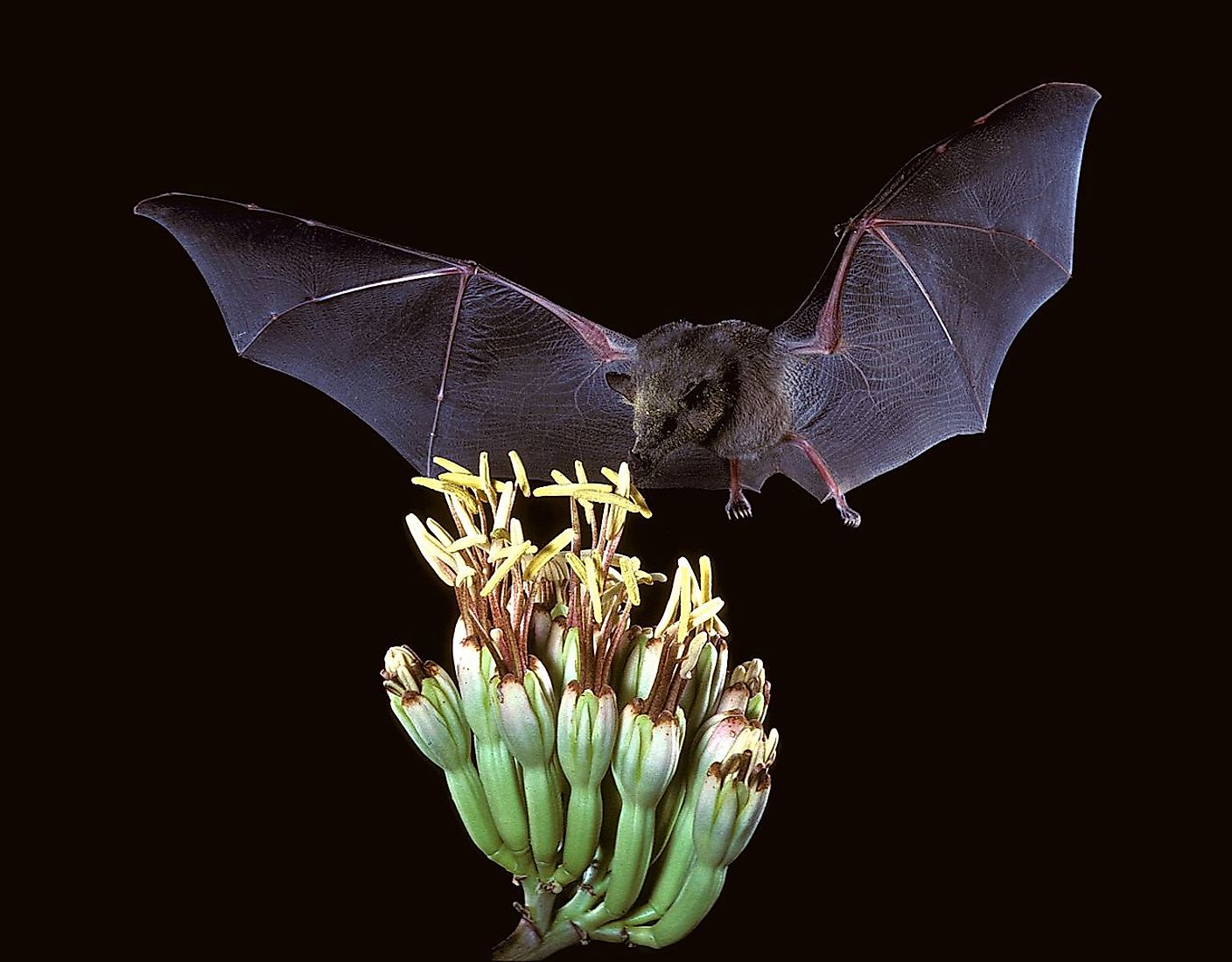
Most of the animal pollinators on this list do their dining during the day, but what about some of the world’s rarest flowers that blossom only at night? Among the night bloomers are many cactus species, like agave, which bloom after dark to conserve water and energy. Fortunately, nectar hungry bats don’t need the light to find these flowers, attracted by their strong odor and found using echolocation.

Elephant Shrew


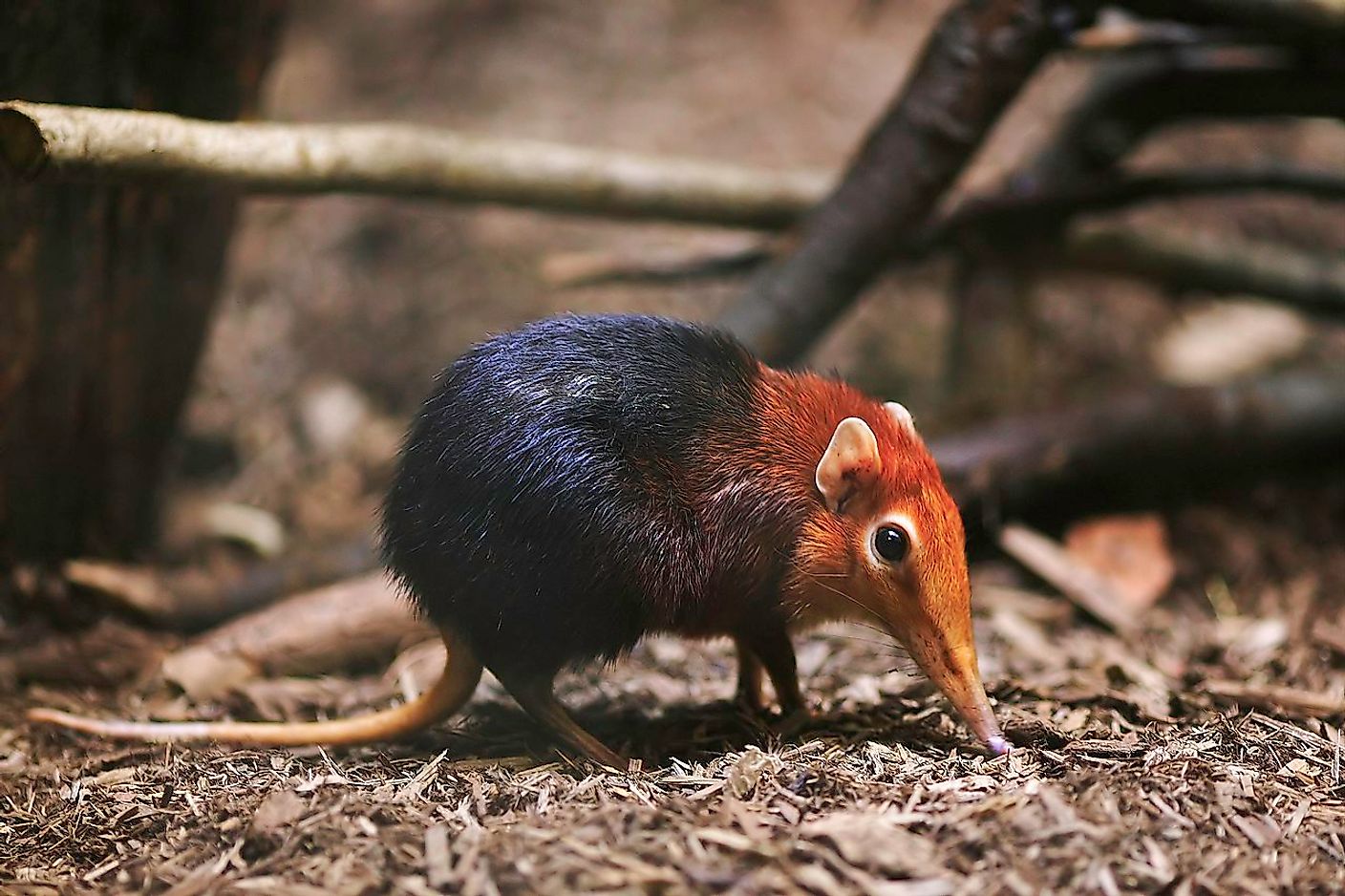
This list began with the largest animal pollinator, the elephant, and ends with its tiny cousin, the elephant shrew. An improbable member of the family of African mammals that includes aardvarks, sea cows and, of course, elephants, these small creatures use their strong, long, and malleable trunk-like nose to search the leaf-litter of woodlands and thickets. Along with meals of ants and termites, elephant shrews wash down their dinners with nectar from a variety of plants including the pagoda lily, spreading pollen as they travel.

Everywhere from Africa to New Zealand, on plants that vary in size from the petite pagoda lily to the towering Traveler’s Palm tree, the natural world is full of these mutualistic relationships between plants and their animal pollinators.

The Hidden Beauty of Pollination

Pollination: it’s vital to life on Earth, but largely unseen by the human eye. Filmmaker Louie Schwartzberg shows us the intricate world of pollen and pollinators with gorgeous high-speed images from his film “Wings of Life,” inspired by the vanishing of one of nature’s primary pollinators, the honeybee.

The post Unusual Plant Pollinators From The Animal Kingdom appeared first on Gradaxis.


source https://gradaxis.com/unusual-plant-pollinators/

from Dr. Linex https://ift.tt/3eu52Ar
via IFTTT

Wednesday, April 15, 2020

Pet’s Food Bowl is Dirtier Than Your Tilot Seat

Pet's Food Bowl is Dirtier Than Your Tilot Seat

One of the home’s dirtiest surfaces could be your pet’s trusty kibble dish. If your Pet licks a toilet seat, he’s picking up about 295 bacteria per square inch. But if he licks the inside rim of his unclean dish, he just gobbled up 2,110 bacteria per square inch—and what Pet licks just one inch?

Pet’s food bowl is dirtier than your tilot seat because the inside of a Pet’s food bowl is home to over 2,110 bacteria per square inch. That’s more than seven times the bacteria lingering in your toilet seat — and even more dramatically disgusting. Clean your Pet’s bowl. Our pets deserve better.

The Healthiest Pet’s Foods

The ingredients and nutrition in your Pet’s food can make a huge difference in your canine’s health (not to mention your experience with your new pet). A healthy Pet is a happy Pet, and anyone with a heart knows that our furry friends deserve the best!

When your Pet doesn’t get the right nutrients, it can experience malnutrition, indigestion, and even some dangerous health conditions.

To make sure your Pet is only getting fed the best, we’ve compiled a list of the 10 best and the 10 worst Pet foods.

To assist with these rankings, we used the trusted reviews from Pet Food Advisor and assessed many customer reviews of the most popular brands on the market (so that you don’t have to).

Pet’s Food Bowl is Dirtier Than Your Tilot Seat Please Clean it: To keep pet’s healthy, wash all food bowls after every meal with hot water and soap, or combine baking soda, warm water, and salt in equal parts and scrub the surface in circles before rinsing. If you don’t, bacteria will multiply on the leftover residue of your pet’s slobber and food bits, a little like if you used the same fork every day without washing it.

The post Pet’s Food Bowl is Dirtier Than Your Tilot Seat appeared first on Gradaxis.


source https://gradaxis.com/pets-food-bowl-is-dirtier-than-your-tilot-seat/

from Dr. Linex https://ift.tt/2VbWSoz
via IFTTT

Dirtier Than a Toilet Seat

Dirtier Than a Toilet Seat

These surfaces have more germs than the average toilet seat, and you’ve likely already touched at least one of them today.

For all you germaphobes out there, you might want to look away because we have some pretty disturbing news. Bacteria and germs are everywhere – even in the places you least suspect. We have collected a list of 10 things that are actually much dirtier than almost anything you’d find in the bathroom. Some of them you come into contact with on a daily basis while others you probably use on a weekly basis. Either way, this list is going to have you looking at certain things you need to use in a really different way. Here are 10 things that are much dirtier than a toilet seat!

10 Things Dirtier Than Your Toilet Seat

10. Restaurant Menus

Restaurant menus carry an average of 185,000 bacteria. There are probably 100 times more bacteria on a menu than on a toilet seat in the restaurant. After placing your order, it might be a good idea to go and wash your hands before you eat.

9. Gas Pump Handles

Gas pump handles are teaming with loads of bacteria and viruses because no one takes the time to clean them. Make sure to keep hand sanitizer in your car and cover the handle before you pump.

8. Kitchen Sponges

Your kitchen sponge is about 200,000 times dirtier than a toilet seat. There are reportedly about 10 million bacteria per square inch on a kitchen sponge and a million per square inch on a dishcloth. To kill germs, microwave your kitchen sponge for one minute.

7. Money

Paper money can carry more germs than a household toilet. They provide hospitable environments for gross microbes. Viruses and bacteria can live on most surfaces for about 48 hours and paper money can transport a flu virus for up to 17 days. After handling money, we recommend washing your hands or using hand sanitizer.

6. Lemon and Lime Wedges

A 2007 study found that nearly 70% of restaurant lemon wedges are covered in up to 25 different types of germs, including fecal matter, E. Coli and contamination from raw meat. Here is some good news – you don’t have to use any lemons or limes that they give you.

5. Door Handles

Door handles are home to a number of harmful germs and bacteria, including E.coli, Staphylococcus, Aureas, plus fungal and viral infections. Even washing your hands regularly isn’t enough to stop this type of germ breeding from occurring. Using hand antiseptic wipes to touch door handles that are hotspots for harmful bacteria is one way to avoid these harmful germs and bacteria.

4. An ATM

Studies have proven that ATM machines are just as laden with bacteria as public toilets. You might want to use some hand sanitizer immediately after using one of these.

3. Keyboards

Computer keyboards contain a host of potentially harmful bacteria including E. coli and Staph. We’d recommend wiping your keyboard down with a disinfectant wipe every day.

2. Toothbrushes

The average toothbrush contains 10 million bacteria or more, including E. coli and Staph. It’s probably in your best interest to hide your toothbrush in a cabinet or run it through the dishwasher to get rid of the germs. Another option is to soak it in mouthwash with cetylpyridinium chloride for 20 minutes.

1. Cell Phone

The average cell phone carries more than 18 times more potentially harmful germs than a flush handle in a men’s public washroom. That’s probably because we take our phones everywhere with us and most us have never thought to clean it.

The post Dirtier Than a Toilet Seat appeared first on Gradaxis.


source https://gradaxis.com/dirtier-than-a-toilet-seat/

from Dr. Linex https://ift.tt/2RH6i9t
via IFTTT

Cell Phone Dirtier Than Toilet Seat

Cell Phone Dirtier Than Toilet Seat

Your Cell Phone Is 10 Times Dirtier Than Toilet Seat. Here’s What to Do About It

Most people don’t give a second thought to using their cell phone everywhere, from their morning commute to the dinner table to the doctor’s office. But research shows that cell phones are far dirtier than most people think, and the more germs they collect, the more germs you touch.

In fact, your own hand is the biggest culprit when it comes to putting filth on your phone. Americans check their phones about 47 times per day, according to a survey by Deloitte, which affords plenty of opportunities for microorganisms to move from your fingers to your phone.

“Because people are always carrying their cell phones even in situations where they would normally wash their hands before doing anything, cell phones do tend to get pretty gross,” says Emily Martin, assistant professor of epidemiology at the University of Michigan School of Public Health. Research has varied on just how many germs are crawling on the average cell phone, but a recent study found more than 17,000 bacterial gene copies on the phones of high school students. Scientists at the University of Arizona have found that cell phones carry 10 times more bacteria than most toilet seats.

Human skin is naturally covered in microbes that don’t usually have any negative health consequences, and that natural bacteria, plus the oils on your hands, get passed on to your phone every time you check a text or send an email. It follows that most of the organisms found on phones are not pathogens that will make you sick, Martin says. Staphylococcus might be present, for example, but it’s not typically the kind that will give you a staph infection.

In 2011 scientists at London School of Hygiene & Tropical Medicine found one in six mobile phones were contaminated with faecal matter, including the E. coli bugs which can cause food poisoning and stomach bugs.

The previous year, consumer watchdog Which? had examined 30 phones, concluding that the bacteria on one was ‘off the scale’ and capable of giving its owner a serious stomach upset.

The latest study looked at 50 phones, recording the highest bacteria reading for a smartphone in a leather case, which was also a wallet, and showed up almost 17 times the amount of bacteria on a toilet seat.

The average for a plastic case was 1,454, which is almost seven times the reading for toilet seat germs.

Experts believe phones become so dirty because they are taken into the bathroom, so are exposed to the same germs as lavatory handles and seats.

A survey of 2,000 people by Initial Washroom Hygiene found 40 per cent of people admitted using their smartphone while in the bathroom at work.

But only 20 per cent cleaned their phone after taking it with them into the toilet.

A toilet seat scanned this way shows up 220 bright spots where bacteria lurk but the average mobile phone had 1,479.

Professor Hugh Pennington, emeritus professor of bacteriology at the University of Aberdeen, said: ‘Swabbing a smartphone is almost like checking your handkerchief for germs – you are likely to find them because of the close physical contact you have with this device several times a day.

‘There will be norovirus on phones at this time of year but the bugs on smartphones will probably be people’s own bacteria so the likelihood of passing on disease is low.

‘However it might be ill-advised to pass smartphones around between people.’

Cell phone dirtier than toilet seat, keeping your phone out of the bathroom will help, but if you want to clean your phone, a few different methods will work. Many people just wipe their phones with a soft microfiber cloth, which will remove many of the germs. For a deeper clean, Whittier recommends using a combination of 60% water and 40% rubbing alcohol. Mix the ingredients together, and then dip a cloth in the solution before wiping it gently across your phone. Unless you’re sick, doing this a few times each month is plenty, Whittier says. Stay away from liquid or spray cleaners, which can damage your phone.

Still, the best advice has more to do with you than the phone. Wash your hands several times a day, the experts say, and you’ll likely be just fine.

The post Cell Phone Dirtier Than Toilet Seat appeared first on Gradaxis.


source https://gradaxis.com/cell-phone-dirtier-than-toilet-seat/

from Dr. Linex https://ift.tt/2XDJGuj
via IFTTT